Top 10 Tips to ACE the GED Math Test

7. Use Strategic Guessing and Process of Elimination
8. Focus on High-Yield Topics
Algebra appears heavily throughout the test, so invest significant time in solving linear equations, working with inequalities, and understanding slope and linear functions. Data analysis and statistics have grown in importance, so practice reading and interpreting graphs, calculating mean, median, and mode, and understanding probability basics. Geometry questions often involve area, perimeter, volume, and the Pythagorean theorem. While you shouldn’t ignore any topic completely, allocating your study time according to test emphasis will maximize your score improvement.
9. Build Test-Taking Stamina
The GED Math test is mentally demanding, and fatigue can significantly impact your performance in the final portion of the test. Many candidates report that they made their most careless mistakes in the last twenty minutes simply because they were tired and lost focus.
Build your stamina by taking full-length practice tests under realistic conditions. Don’t pause for snacks or phone breaks in the middle. Don’t split a practice test across two days. The goal is to train your brain to maintain focus and accuracy throughout the full testing period. If you find your attention wandering during practice, experiment with brief mental reset techniques—closing your eyes for ten seconds, taking three deep breaths, or stretching your neck—that you can also use on test day.
10. Learn From Every Mistake
Perhaps the most important tip of all: treat every error as a learning opportunity. When you get a practice problem wrong, don’t just look at the correct answer and move on. Take time to understand exactly where your thinking went astray.
Keep an error log where you record each mistake along with the concept involved and what you should have done differently. Review this log regularly, and you’ll start noticing patterns—maybe you consistently make sign errors with negative numbers, or perhaps you struggle specifically with problems involving rate and proportion. These patterns reveal exactly where to focus your remaining study time for maximum improvement.
Final Thoughts
Passing the GED Math test is absolutely achievable with consistent preparation and smart study strategies. Remember that thousands of people pass this test every year, including many who initially doubted their math abilities. The key is approaching your preparation systematically, building from foundational skills up to more complex topics, and practicing under realistic conditions.
Start your preparation early enough to allow time for concepts to sink in, and don’t get discouraged by difficult practice problems—struggling with challenging material is how real learning happens. With dedication and the right approach, you’ll be well on your way to earning your GED credential and opening doors to new opportunities in education and employment.
Good luck, and remember: you’ve got this!
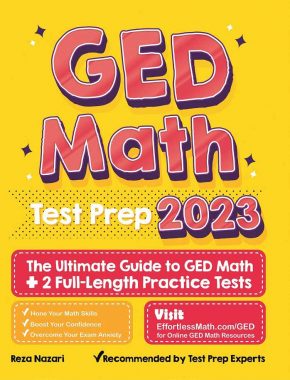
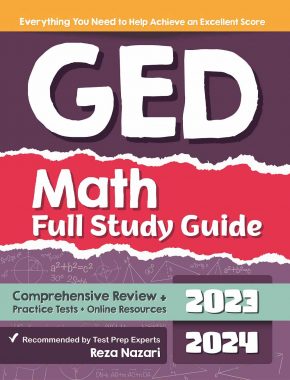
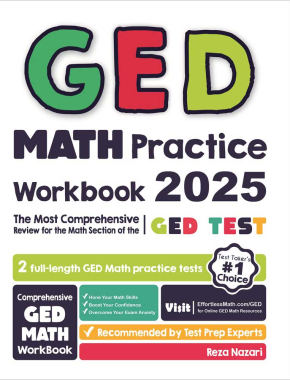
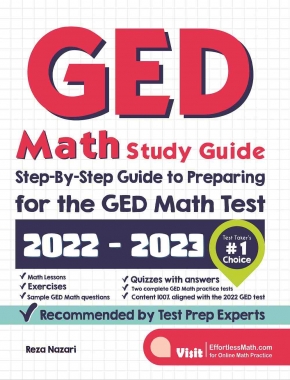
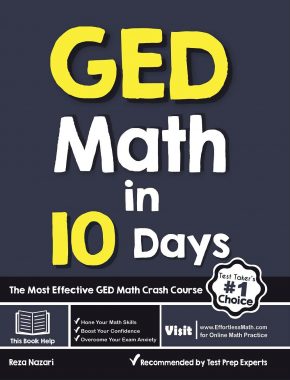
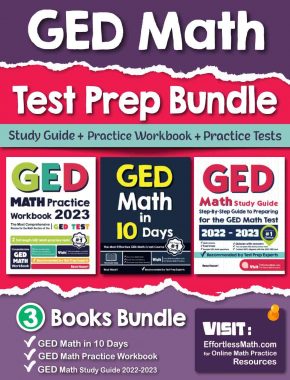
The Perfect Prep Books for the GED Math Test


Related to This Article
More math articles
- Why Most Players Misuse Poker Calculators (and How to Get It Right)
- Slope Unity in Mean Value Theorem: Average Meets Instant
- How Does the Process of Renting Books from Online Bookstores Work? A Guide for Students
- Top 10 Tips to Create a SHSAT Math Study Plan
- Full-Length 6th Grade IAR Math Practice Test-Answers and Explanations
- Decimal Dynamics: How to Master the Art of Adding and Subtracting Decimals
- ISEE Upper-Level Math Formulas
- Top 10 Tips You MUST Know to Retake the ACCUPLACER Math
- The Best ACT Math Worksheets: FREE & Printable
- Ratio, Proportion and Percentages Puzzle – Challenge 29






What people say about "Top 10 Tips to ACE the GED Math Test - Effortless Math: We Help Students Learn to LOVE Mathematics"?
No one replied yet.